Efficient load reduction and nutrient removal

Login
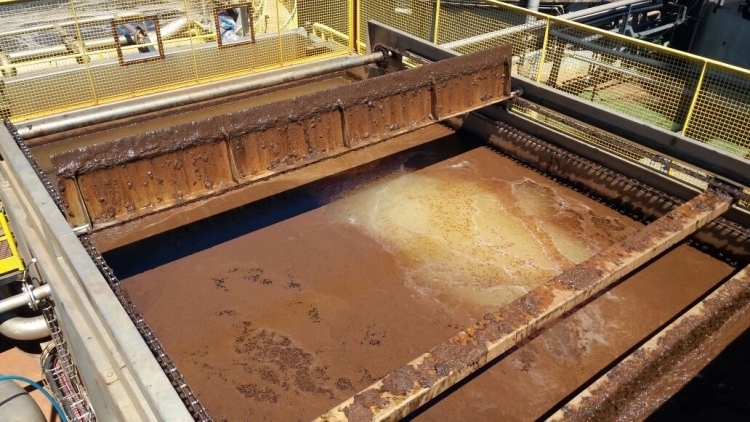
The secondary treatment system is characterized by aerobic or anaerobic biochemical processes. Its main objective is to degrade the dissolved and suspended organic matter that was not removed in primary treatment. The activated sludge process is one of the most widely used treatment processes in industry; however, it requires flow control, recirculation of the settled microorganisms, and oxygen supply, among other things. In addition, the factors that most affect this technique are temperature, nutrient availability, pH, the presence of toxic elements, and oxygen supply.
The treatment process basically consists of:
Aeration lagoon / Reactor: oxygen required by the decomposing organisms is introduced artificially. Aeration also keeps the liquid mass fully in suspension, leading to the formation of biological flocs, which are then separated in the following sedimentation unit. The system basically consists of above-surface and submerged air distribution modules, an air line, and an air blower. In the aeration tanks, microorganisms feed on the organic matter and convert it into carbon dioxide, cell material, and water. When the effluent leaves the reactor, it contains a low amount of organic matter, with a load removal efficiency of around 95%, depending on the WWTP.
Settling: in the settling process, the biological mass is separated from the liquid. Part of the solids returns to the aeration tank and the rest is sent to the sludge processing area. Clarifiers are responsible for separating the suspended solids coming from the aeration tank, allowing a clarified effluent to exit, and for settling these solids at the bottom of the clarifier, so the sludge can be returned at a higher concentration.
Efficient load reduction and nutrient removal
High oxygen transfer rates
Low energy and chemical consumption